DEET 10%, DEET 30% and IR3535 20%: 3 European Authorizations to Meet Market Needs for Mosquito Protection
IR3535 20%, DEET 10% and 30%: discover Armosa’s European authorizations and its European patent for textile application.
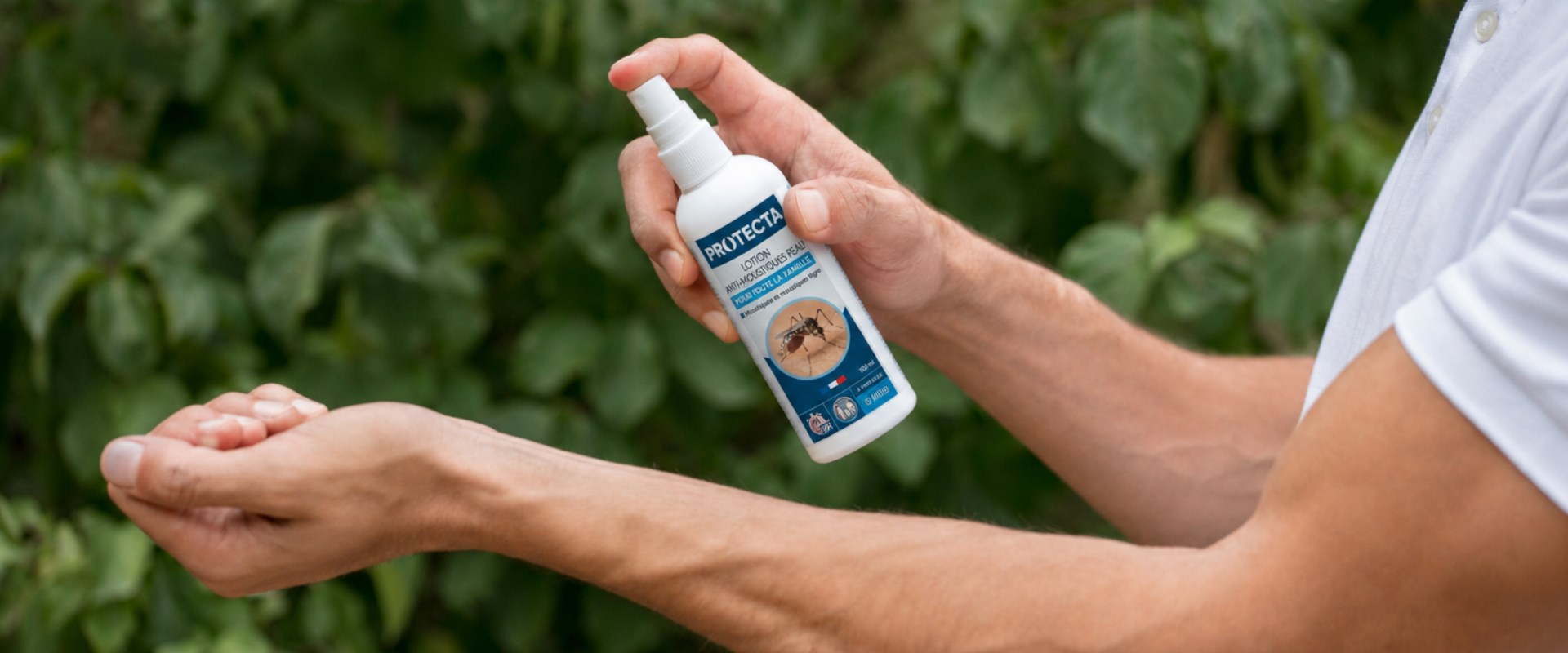
From mosquitoes disrupting our summer evenings to species capable of transmitting pathogens responsible for malaria, dengue, or the Zika virus, the health risks are obviously not the same everywhere. And neither are the protection needs! At Armosa, we address these needs with three European authorizations: DEET 10%, DEET 30%, and IR3535 20%. This is an opportunity to show you how our regulatory and R&D expertise translates into practical solutions for the market.
Complementary Authorizations to Meet Different Needs
Developing a mosquito repellent is not simply a matter of choosing an active ingredient and its concentration. Usage conditions, the desired level of protection, target markets and, above all, the regulatory framework applicable to biocidal products must also be taken into account.
With this in mind, Armosa offers three complementary solutions: DEET 10%, DEET 30%, and IR3535 20%.
DEET 10%
The authorization for DEET 10% was recently renewed through 2036, securing its use for another 10-year period.
DEET 30%
Need longer-lasting protection? The authorization for DEET 30% was also recently renewed, through 2035. This concentration is particularly suited to needs encountered in tropical conditions. A higher concentration does not necessarily mean greater immediate efficacy: its main impact is on the duration of protection and, therefore, how frequently the product needs to be reapplied.
IR3535 20%
Finally, IR3535 20% provides a third option with a particularly interesting feature: it can be applied to both skin and textiles. Recommended for pregnant women and babies from 6 months of age, it also provides an additional reassurance that is particularly valued by parents.
Three authorizations, therefore, to address different needs. This enables us to support distributors, category managers, and private-label buyers, particularly in household care, pharmacy and personal hygiene categories.
IR3535 20%: A European Patent for Textile Application
Textile application is precisely where IR3535 stands out. Compatible with cotton and certain synthetic fibers, such as polyester, it does not damage clothing or synthetic materials, making it convenient for everyday use. At Armosa, we have patented expertise in France and across Europe in textile treatment using IR3535.
.jpg)
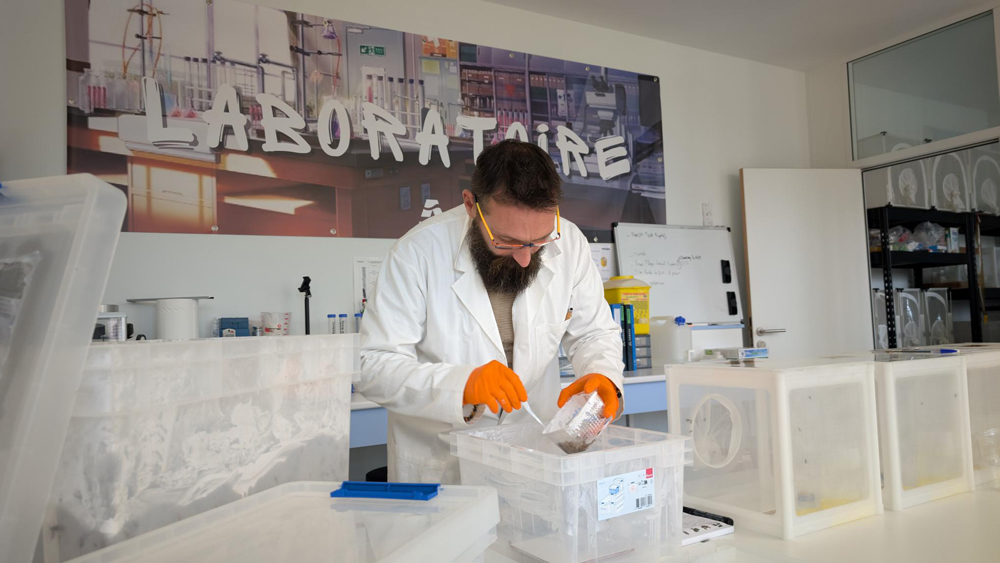
Aurélien Guicherd, Efficacy Trial Manager, conducting efficacy trials in the laboratory.
Why consider clothing in addition to skin? Because textiles are another surface that needs to be taken into account when protecting ourselves against mosquitoes.
And we don't stop at theory. Tests conducted by our laboratory on one of our in-house formulations, IR200, containing 20% IR3535, provide objective evidence to support this approach. The product was evaluated on both skin and textiles in controlled trials involving volunteers and several mosquito species.

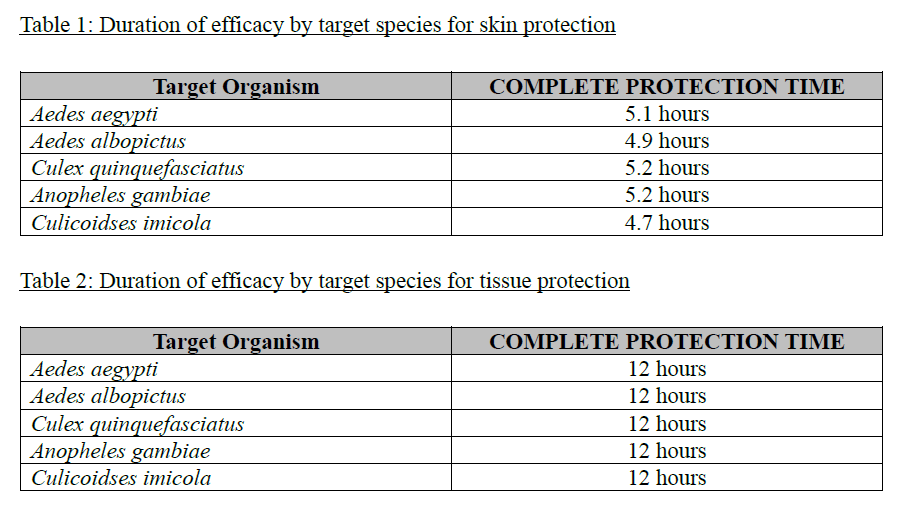

Results of IR200 efficacy trials on different mosquito species following application to skin and textiles. The study also shows that the repellent efficacy on textiles is maintained after 30 days of storage of treated clothing.
IR3535 therefore opens up new opportunities for developing a textile mosquito repellent or building a product offering that combines different modes of protection.
Behind Every Authorization Lies Regulatory and Industrial Expertise
But a biocidal product authorization involves far more than an administrative process. It requires building and maintaining a regulatory dossier that meets applicable requirements, supported by data appropriate to the intended uses.
At Armosa, this expertise is supported, among other things, by our various production sites. At Saint-Martin-de-Crau and Val-d’Izé, our facilities operate under the DEET 10%, DEET 30%, and IR3535 20% authorizations to manufacture these products.
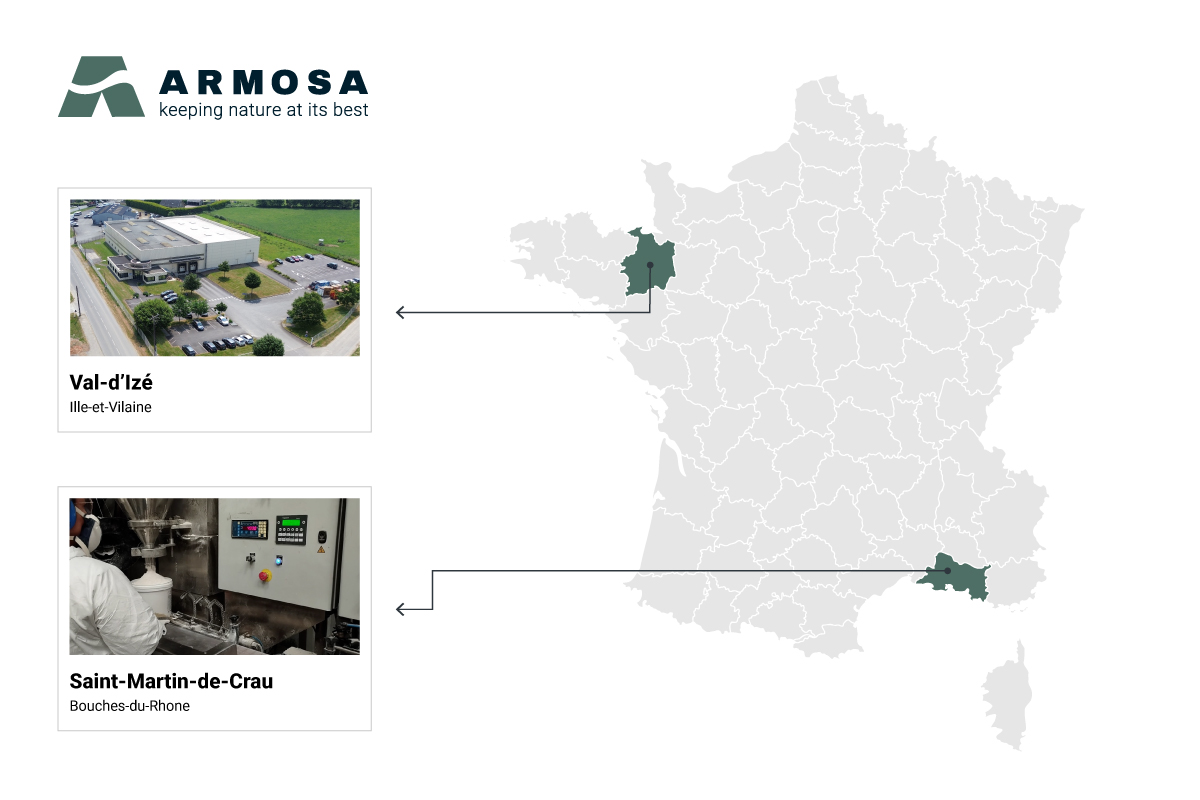
This organization gives us control over several essential stages in the development of a solution: innovation, R&D, authorization, formulation, production, and commercialization. At the heart of this process, our Innovation, R&D, and Regulatory teams alone bring together 14 dedicated specialists.
This expertise is particularly valuable for private-label and export projects. The uses, concentrations, target populations, and protection durations of a biocidal product cannot simply be transferred from one formulation or market to another. They must comply with the conditions specified in the relevant authorization.
.jpg)
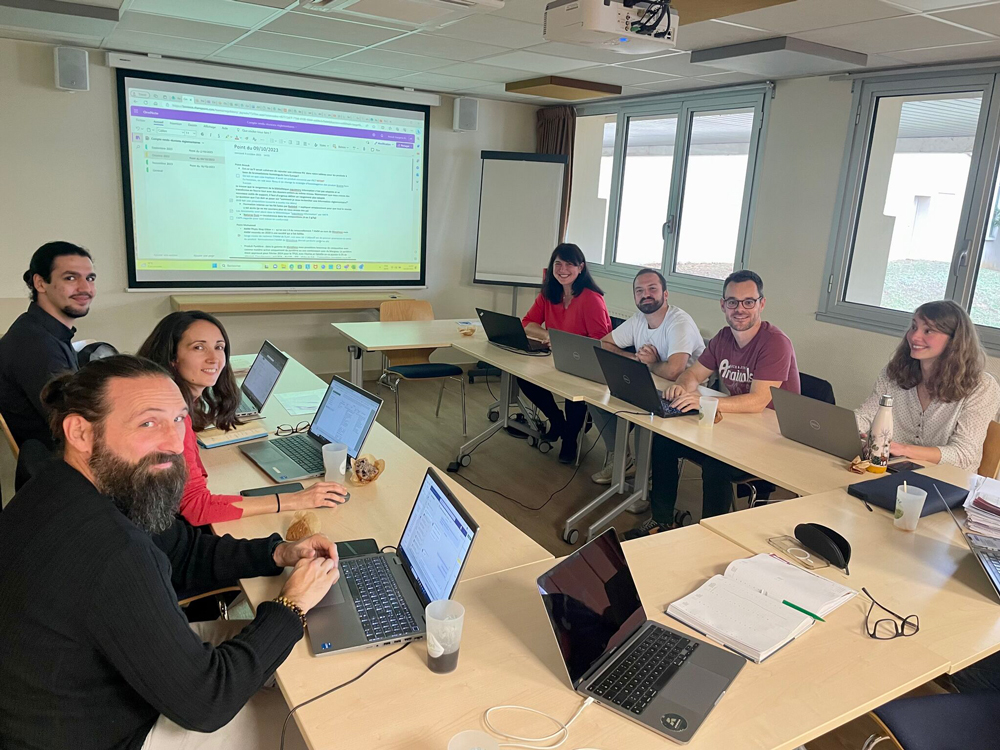
Our Regulatory team, which currently consists of 6 specialists, forms part of Armosa’s backbone alongside our Innovation and R&D teams. Together, they support the development and market launch of our solutions.
Looking to develop or expand a range of mosquito repellents? Armosa’s teams can work with you to explore formulation, authorization, and production options tailored to your project. Contact our team!